
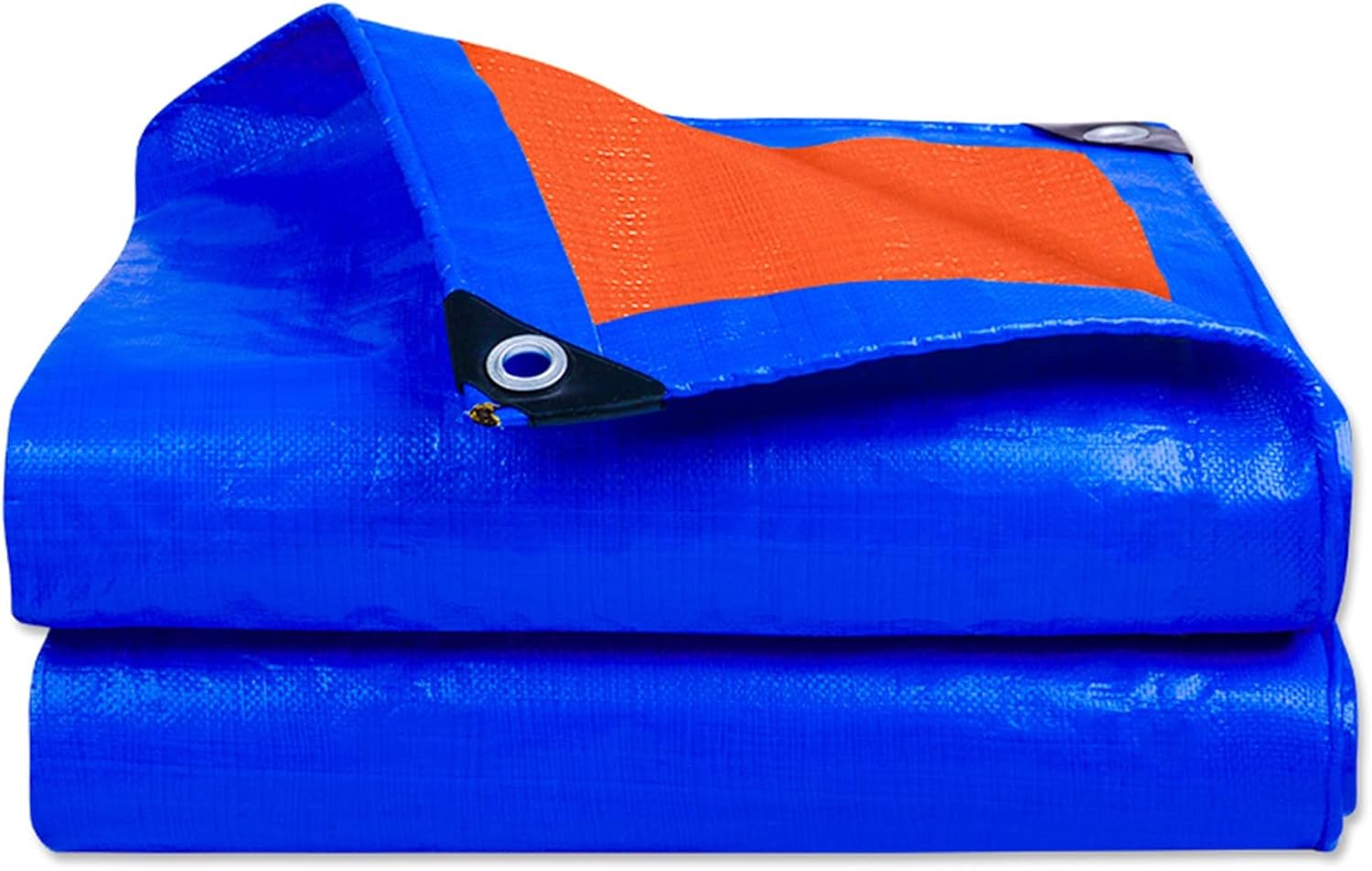
Understanding the Different Types of Tarpaulins
Tarpaulins, commonly known as tarps, are one of the most versatile protective materials used across agriculture, transport, construction, industrial and even household applications. However, not all tarpaulins are the same — they come in different materials, GSM thickness levels, strengths, and weather protection capabilities, each designed for a specific purpose.
In this blog, we’ll explore the various types of tarpaulins available in the market, their features, and the best use cases for each — so you can confidently choose the right tarpaulin sheet for your exact requirement, whether it is pond lining, truck covering, monsoon protection, or industrial usage.
| Polyethylene (PE) | Lightweight woven film, available in 3–12 mil thickness; UV-treated options last ~1–3 years outdoors; common for temporary covers, ground sheets, and storm repairs. |
| Reinforced Polyethylene | Woven polyethylene with reinforced hems and grommets, heavier grades ~6–10 mil; used for construction scaffolding, long-run outdoor covers, grommet spacing typically 18–24 in. |
| Canvas (Cotton Duck) | Breathable cotton or poly-cotton blends, weights typically 8–24 oz/yd²; preferred for furniture, paint protection, and situations where condensation would damage the load. |
| Vinyl (PVC-coated polyester) | High-strength, welded seams, common weights 12–22 oz/yd² (≈400–750 g/m²); used for truck tarps, industrial containment, and long-term outdoor use with 5–15+ year lifespans. |
| Mesh / Shade | Perforated fabrics with 40–90% shade factors; ideal for shade structures, debris containment, and applications where airflow and dust control matter more than waterproofing. |
- Compare mil or oz/yd² ratings against expected exposure: thicker materials resist puncture and UV better.
- Factor in seam type—stitched versus welded—since welded seams outperform stitched in wet, high-stress applications.
- Check secondary features: grommet spacing (18–24 in common), reinforced corners, and available fire-retardant or chemical-resistant grades.
Polyethylene Tarpaulins
If you need a low-cost, lightweight option for short-term protection, polyethylene tarps are the go-to: common thicknesses range from 3 mil for very temporary covers up to 10–12 mil for heavier tarps that tolerate more abuse. In practical terms, a 6 mil UV-treated tarp is fine for seasonal yard work or temporary roofing after storm damage, while 10–12 mil reinforced poly can handle repeated job-site use.
Installation details matter: grommet spacing at 18–24 inches helps distribute load and reduces tearing, and reinforced hems increase service life. Expect a UV-treated PE tarp to last about 1–3 years outdoors depending on sun exposure, and plan to replace cheaper 3–4 mil sheets within months if used continuously in sunlight.
Canvas Tarpaulins
You’ll choose canvas when breathability and surface protection matter more than full waterproofing: cotton or poly-cotton duck in 8–24 oz/yd² ranges lets moisture escape so wood, furniture, and painted surfaces avoid trapped condensation. For moving, painting, or indoor storage, canvas prevents mildew buildup on organic materials that a non-breathable tarp could aggravate.
Treated canvas holds up to light rain and dirt; typical treated cotton canvas can serve outdoors for several seasons if you clean and re-treat it periodically. Applications include boat covers, truck tarps for general cargo, and contractor drop cloths—options exist with natural or synthetic treatments that increase water resistance without eliminating breathability.
To extend service life, you should dry canvas thoroughly before storage, apply a breathable waterproofing spray or oil-based treatment every 12–24 months depending on exposure, and repair seams promptly; well-maintained canvas often outperforms cheap poly for repeated handling and abrasion resistance.
Vinyl Tarpaulins
When you need long-term, heavy-duty protection, vinyl (PVC-coated polyester) delivers: available in 12–22 oz/yd² grades (roughly 400–750 g/m²), these tarps resist UV, oils, and many chemicals, and their welded seams make them suitable for truck covers, industrial enclosures, and outdoor signage that must last multiple years. Typical service life outdoors ranges from 5 to 15+ years depending on thickness and UV stabilizers.
Vinyl’s structural strength allows larger spans and fewer attachment points; you’ll find vinyl tarps used for refrigerated trailers, containment curtains, and heavy equipment covers where puncture resistance and cleanability matter. Select flame-retardant or food-grade certified PVC where regulations require specific ratings.
Maintenance and repairs are straightforward: clean with mild detergent, perform edge or seam repairs via heat-welding or patch kits, and avoid solvents that attack the PVC coating to keep tensile strength and waterproofing intact.
Any selection should prioritize exposure, handling frequency, and budget so your tarp matches the real-world demands of the job.
Looking for the Best Tarpaulin Sheet in Kerala?
Whether you need HDPE tarpaulin sheets for farming, transport, pond lining, construction, or industrial use, Suraj Tarpaulins delivers premium-quality, long-lasting and fully waterproof solutions — custom-made as per your exact requirement.
✅ Available in 90 GSM to 400 GSM
✅ Custom sizes, colours, and thickness available
✅ Fast delivery across Kerala
✅ Trusted by farmers, industries, transporters & businesses 📞 Call / WhatsApp us now for the best price:+91-9747016566
Leave a Reply