
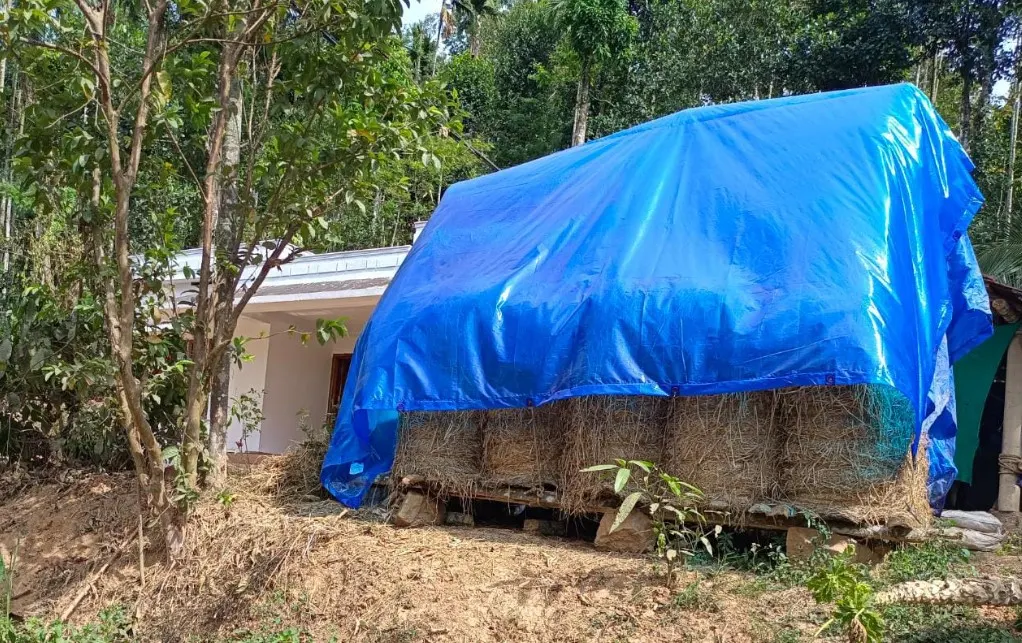
Choosing the right tarpaulin sheet is not just about picking any waterproof cover — it’s about selecting the correct GSM, material, size, durability level, and application suitability based on your exact requirement. Whether you need a tarpaulin for farming, transportation, pond lining, construction, industrial use, or monsoon protection, the wrong choice can lead to damage, leakage, or frequent replacement costs.
In this blog, we’ll guide you through the most important factors to consider before buying a tarpaulin sheet, so you can make an informed decision that ensures long-lasting protection, cost-efficiency, and best performance in your specific environment.
Introduction: Key Factors to Consider Before Choosing a Tarpaulin Sheet
When choosing a tarp, it’s important to match it to your specific needs. For construction sites, you’ll want thicker, welded materials for covers and truck tarps, while lighter, more portable fabrics are better suited for camping and garden use. For instance, 10–12 mil polyethylene tarps are often found on job sites for short-term weather protection, while 18–22 oz/yd² PVC (vinyl) is ideal for long-term, heavy-duty tasks like covering boats or setting up event canopies. Don’t forget to balance the tarp’s lifespan with your budget—UV-treated options can significantly extend their usability from just a few months to several years in sunny areas.
Fit and how you attach the tarp are just as crucial as the material itself. Grommet spacing typically ranges from 18 to 36 inches; closer spacing and reinforced corners help minimize wind flapping and tearing. If you’re looking for a waterproof solution that keeps seams tight, go for heat-welded seams instead of sewn seams with sealant—the former can handle prolonged exposure and heavy rain much more effectively.
- Material type (polyethylene, PVC/vinyl, canvas, polyester/Ripstop)
- Thickness specification (mils for poly, oz/yd² for vinyl, denier for polyester)
- UV and mildew treatments
- Seam construction (welded vs sewn) and grommet quality/spacing
- Puncture and tear resistance (abrasion ratings or manufacturer specs)
- Weight, packability, and storage requirements
- Color and reflectivity for heat management
- Cost versus expected service life and warranty terms
Weather Resistance
When it comes to outdoor gear that can stand the test of time, you really want to focus on UV stabilization and waterproof ratings. Polyethylene tarps are often laminated and treated for UV protection, giving them a lifespan of about 1 to 5 years, depending on how thick they are and how much sun they get. On the other hand, marine-grade PVC can last over 10 years in moderate climates. If you’re in a high-UV area, be prepared for a 6 to 12 mil untreated poly tarp to break down in less than a year; however, UV-treated poly and PVC will hold up much better against chalking and brittleness.
Temperature tolerance is also key. PVC remains flexible in temperatures ranging from -40°C to +80°C, making it a great choice for cold weather and winter storage. In contrast, standard polyethylene can start to get brittle when the temperature drops below -10°C. If you’re dealing with wet, salty air, opt for stainless or brass grommets and corrosion-resistant coatings. These little details can make a big difference, helping to prevent failures at the attachment points during storms and high winds.
Durability and Strength
When it comes to durability and strength, let’s dive into the material specifics. Poly tarps are typically available in thicknesses of 6, 8, 10, or 12 mil (just remember, 1 mil equals 0.001 inch), with the 10–12 mil range being ideal for heavy-duty jobs. On the other hand, vinyl tarps are measured by weight in oz/yd², and you’ll usually find 18–22 oz/yd² for commercial truck covers and tarps that need to stand up to wear and tear. If you’re looking at ripstop polyester, keep an eye on the denier—600D is a popular choice that strikes a nice balance between strength and weight for things like awnings and gear covers. Don’t forget to check the tensile and tear strength on the product data sheets; higher numbers mean better resistance to ripping when under pressure.
The way a tarp is constructed can really affect its performance. For instance, heat-welded seams and hemmed edges with webbing reinforcement can significantly boost its lifespan when facing wind loads. Plus, double-reinforced corners and backed grommets help prevent localized failures. Take a welded 18 oz vinyl tarp with 12 mm corner reinforcements; it’s likely to outlast a sewn 10 mil poly tarp in the same marine setting.
Manufacturers often provide details on puncture resistance and abrasion cycles. If you’re planning for long-term use on rough surfaces like concrete or metal, go for tarps with higher abrasion-cycle ratings. You might also want to think about using protective underlays or sacrificial layers to help extend the tarp’s service life.
Weight and Portability
When you’re on the move, finding the right balance between durability and weight is key. Take, for instance, a 10×12 6-mil poly tarp—it weighs in at under 2 kg and can easily fit into a small bag, making it perfect for backpacking or a quick emergency shelter. On the flip side, an 18 oz PVC tarp of similar size can tip the scales at 6–10 kg, meaning you’ll need a wheeled cart or vehicle to transport it. While lighter tarps are easier to carry and pack down smaller, they often compromise on puncture and tear resistance.
Don’t forget about the attachment hardware and storage options: more grommets, corner patches, and reinforced hems might add a bit of weight, but they also lower the risk of failure. And let’s talk about price—small, lightweight tarps can range from INR 800 to INR 2500, while heavy-duty PVC and industrial-grade options typically fall between INR 8000 and INR 30000, depending on size and special features like flame retardancy or custom cuts.
Understanding how you plan to transport, store, and set up the tarp—whether you’ll carry it by hand, stash it on a roof rack, or leave it set up—will help you pick the right strength-to-weight ratio, grommet layout, and decide if it’s worth investing in sturdier materials for less maintenance down the line.
Looking for the Best Tarpaulin Sheet in Kerala?
Whether you need HDPE tarpaulin sheets for farming, transport, pond lining, construction, or industrial use, Suraj Tarpaulins delivers premium-quality, long-lasting and fully waterproof solutions — custom-made as per your exact requirement.
✅ Available in 90 GSM to 400 GSM
✅ Custom sizes, colours, and thickness available
✅ Fast delivery across Kerala
✅ Trusted by farmers, industries, transporters & businesses
📞 Call / WhatsApp us now for the best price:+91-9747016566
Leave a Reply